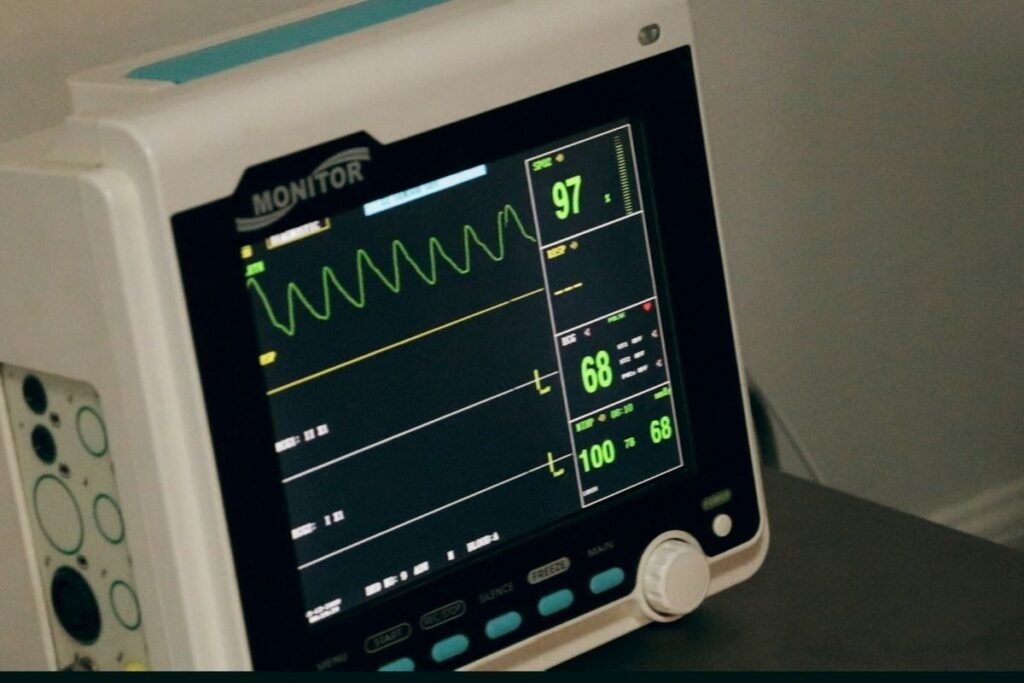
The healthcare system is undergoing a major transformation technologically; and in this changing environment, robots are taking a growing role in developing the care that patients receive. They are being used in multiple capacities in the healthcare system including surgical robots and robots that serve as assistants to elderly care providers. Overall, they are revolutionizing how doctors diagnose, treat and care for their patients. The purpose of this article is to explore the roles of robots in healthcare, and describe how robots are impacting the delivery of medical services, the delivery of patient care, and the overall efficiency of the healthcare system.
Robotic Surgery – Improving Precision and Minimizing Trauma to Patients
Robotic surgery has transformed the practice of medicine by providing surgeons with the ability to perform surgeries with greater precision and flexibility. It provides the ability to perform “minimally invasive” surgeries which means that there are smaller incisions, less trauma to the body and the possibility for quicker recoveries for the patient.
- Increased precision: The robotic systems available today (i.e., da Vinci Surgical Systems) provide surgeons the opportunity to perform highly precise surgeries, much more so than those performed using traditional techniques.
- Reduced incision sizes: When compared to open surgeries, minimally invasive surgeries result in significantly reduced incision sizes. Smaller incisions equate to reduced pain, shorter hospital stays, and quicker recovery times for patients.
- Remote surgery: Using robotic systems, surgeons have the option to conduct remote surgeries. This is particularly beneficial when providing care to underprivileged communities or remote communities.
Robotic surgery results in improved patient outcomes through the reduction of post-surgical complications and recovery times, and improvement in the overall efficiency and precision of medical procedures.
Robotic Assistants in Elderly Care – Providing Companionship, Monitoring Health and Performing Daily Tasks
There is an increasing need for elderly care due to an aging global population. Robots are now being utilized to provide assistance in elderly care, to provide companionship to the elderly, to monitor the health of the elderly, and to perform daily tasks that would require human assistance.
- Therapeutic robots: Companion robots such as Paro, a therapeutic robotic seal, provide the elderly with emotional support to counteract the feelings of isolation and loneliness experienced by many elderly patients.
- Monitoring robots: Robots equipped with sensors allow for the monitoring of vital signs (e.g., heart rate, blood pressure, temperature), and can alert caregivers to any irregularities in the vital signs of their patients.
- Assistive robots: Robots can assist the elderly with mobility issues or with performing various tasks such as obtaining medications, lifting heavy objects, or assisting with personal hygiene.
Robots enhance the quality of life for elderly patients and provide caregivers with the resources needed to provide better care to elderly patients with less physical strain.
Robots for Rehabilitation and Physical Therapy – Enhancing Recovery Processes
Robots are becoming increasingly prevalent in rehabilitation and physical therapy settings where they aid in the recovery of injured patients or patients who have undergone surgeries. Robots provide patients with the ability to perform exercises and provide healthcare professionals with data regarding patient progress, thereby ensuring that the rehabilitation process is successful.
- Exoskeletons: Robotic exoskeletons enable patients with mobility impairments to walk again by providing support to their legs and facilitating the recovery of their leg muscles.
- Physical therapy robots: Robots such as the InMotion Arm robot are used to assist patients in performing specific movements to increase their range of motion and strength.
- Customized rehabilitation: Robotic systems provide healthcare professionals with the ability to customize the rehabilitation process for each patient by adjusting the therapy based on the patient’s progress and feedback.
Robotic rehabilitation tools optimize the recovery processes for patients, enabling patients to regain mobility and strength at a faster rate.
Automation in Hospitals and Healthcare Facilities
In addition to performing tasks in patient care, robots are also being used in hospitals and healthcare facilities to perform logistical functions (e.g., transporting medication and supplies).
- Automated delivery systems: Robots can deliver medications and supplies between departments within a hospital, eliminating human labor and the potential for human error.
- Sterilization robots: Robots (e.g., Xenex LightStrike) utilize UV light to sterilize hospital rooms and surgical equipment, thereby reducing the risk of hospital-acquired infections.
- Supply inventory: Robots are used to manage inventory of medical supplies to ensure that hospitals have the medical supplies they need and to minimize waste.
Robotic automation in hospitals frees up time for healthcare professionals to focus on direct patient care.
Conclusion
Robots are transforming healthcare through improved precision in surgery, assistance in elderly care, rehabilitation, and logistics in hospitals. As robotics technology continues to evolve, it will continue to take on a larger role in patient care, creating better outcomes for patients, faster recovery times, and increased efficiency in healthcare. The integration of robots into the healthcare system will provide a new level of care and support for patients and healthcare professionals.