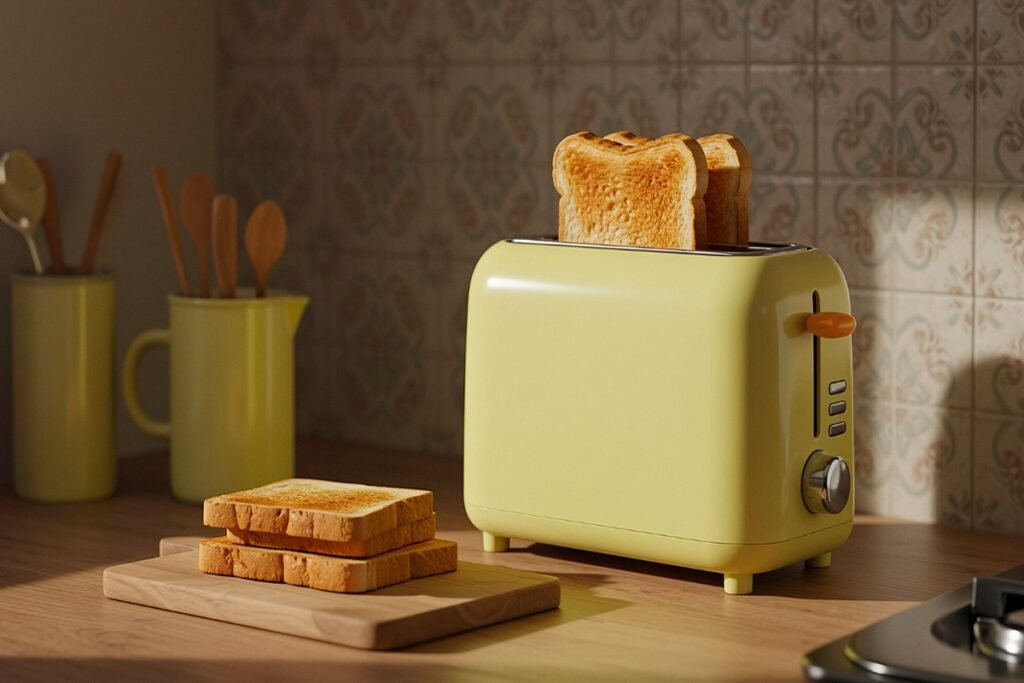
There is nothing wrong with using a sandwich maker for sandwiches. That is what it is made for, after all. But if yours spends most of its time sitting in a cupboard between breakfast fixes, you may be missing a few practical uses.
The heated plates can do more than toast two slices of bread with a filling in between. Depending on the design and the manufacturer’s instructions, you can use them to grill vegetables, warm parathas, crisp wraps, and prepare a few simple snacks. It will not replace a tawa, oven, or grill, but it can handle several smaller cooking jobs.
So, what can you actually make in one?
Why a Sandwich Maker Is Useful for Quick Meals
The appeal of a sandwich maker comes down to convenience. Preparation is minimal, and cooking usually takes only a few minutes. You do not have to keep turning the food or stand beside the stove while it cooks.
That makes it useful for moments when you want something hot but don’t want to cook an elaborate meal. A cheese sandwich, vegetable toast or stuffed wrap can be ready without much effort.
Cleaning can also be straightforward, particularly when the appliance has non-stick plates. Once it cools, the cooking surface needs little more than a careful wipe.
Its compact size is another practical advantage. A sandwich maker can be stored in a cupboard when it is not needed, making it suitable for kitchens with limited counter space.
What Can You Make Besides Sandwiches?
The answer depends partly on the type of plates and heat settings your appliance has. Still, several foods are worth trying if the manufacturer’s instructions permit them.
Grill Paneer and Vegetables
Paneer does not always need a full-sized grill to develop a lightly browned exterior. Cut it into thin pieces, season or marinate them and place them on the heated plates.
You can do something similar with capsicum, onion, mushrooms and other vegetables that cook quickly. A little oil can help with browning, but you don’t need much.
This is particularly handy when you want a small portion rather than an entire pan of grilled vegetables.
Make Crisp Wraps and Quesadillas
A leftover roti or tortilla can become a quick snack with the right filling. Add vegetables, beans, paneer or cooked chicken, along with some cheese if you like. Fold it and place it carefully in the sandwich maker.
The heat presses the filling together while crisping the outer layer. It is an easy way to use ingredients that might otherwise be left in the refrigerator.
Keep the filling dry and avoid stuffing the wrap too much. Excess moisture and loose ingredients can spill out and make cleaning unnecessarily difficult.
Warm Parathas and Rotis
A sandwich maker can be useful when you need to warm something that’s already cooked.
A plain roti can be heated quickly, while a stuffed paratha can develop a slightly crisp surface when placed between the hot plates. This can be convenient when reheating a small portion rather than setting up a tawa.
However, be careful with parathas containing oily or loose fillings. If the filling escapes from the edges, it can make a considerable mess inside the appliance.
Try Simple Egg Preparations
Some sandwich makers can handle simple egg preparations, but this depends on the model and its instructions. If yours is suitable, you can cook a small amount of beaten egg with chopped vegetables and seasoning on the plates.
Do not pour in too much mixture. Eggs expand as they cook, and an overflowing mixture can get into areas that are difficult to clean.
For this reason, an egg preparation is better treated as an occasional use rather than a standard function of every sandwich maker.
Can You Make Desserts in a Sandwich Maker?
You can, as long as the ingredients and appliance are suitable.
A simple chocolate sandwich is the easiest place to start. Add a modest amount of chocolate between slices of bread and heat until the filling softens.
Banana and chocolate also work well together. For something even simpler, heat banana slices with a little cinnamon until soft and lightly caramelised.
You can try apple slices the same way, although high-moisture fruits should be handled carefully. The aim is to warm and lightly grill the fruit, not turn the cooking plates into a sticky pool of juice.
These are small treats rather than elaborate desserts, but that is part of their appeal. They take little preparation and can be made when you want something sweet without using several utensils.
Choosing a Sandwich Maker for More Than Bread
If you want to use the appliance for different types of food, the basic sandwich-only models may not always be the most suitable choice. A few features can make a noticeable difference.
Non-stick plates are useful when cooking cheese, vegetables and other ingredients that can stick to a hot surface. They also make cleaning easier.
Adjustable temperature settings give you more control over cooking. A lower setting can be useful for foods that need gentle heating, while higher heat can help with crisping bread and wraps.
Removable plates are another practical feature. Being able to remove the plates makes them easier to clean properly, especially if fillings escape during cooking.
Interchangeable plates can be worth considering if you want greater flexibility. Some appliances come with different plate designs for grilling or preparing other foods. Functions vary, so check what is included rather than assuming every model offers the same options.
A sturdy hinge and handle also matter. The lid needs to close securely without requiring excessive pressure, especially when the food inside is slightly thicker than a standard sandwich.
Sandwich Maker vs Tawa for Everyday Cooking
A sandwich maker and a tawa may both be useful, but they are not interchangeable.
The tawa gives you much more control over the cooking process. You can move food around, adjust its position, flip it as needed and prepare larger quantities. It is naturally better suited to rotis, dosas, parathas and many other Indian dishes.
The sandwich maker is more convenient for smaller portions. Once the food is placed inside, both sides cook at the same time. You don’t need to keep flipping it or watch it closely.
For a quick wrap, toasted sandwich or small portion of grilled vegetables, that convenience can be useful. For regular meal preparation, however, a tawa remains more versatile.
The two appliances therefore serve different purposes, rather than one replacing the other.
Foods You Should Be Careful With
Using a sandwich maker creatively doesn’t mean putting anything between the plates.
Very runny mixtures can leak into the edges and internal parts of the appliance. Excessively oily foods can also create a mess and may produce smoke when the oil gets too hot.
Handle foods with a lot of loose filling carefully. If ingredients fall out when you close the lid, cleaning becomes harder and the appliance may not perform as intended.
Also avoid using metal knives, forks, or spatulas on non-stick plates. Scratches can damage the cooking surface over time. Wooden or silicone utensils are a better choice.
Most importantly, check the manufacturer’s instructions before trying an unconventional recipe. A sandwich maker designed only for enclosed sandwiches may not suit every type of cooking.
How to Keep Your Sandwich Maker in Good Condition
Using the appliance for different foods means paying a little more attention to cleaning.
Let it cool before wiping the plates. Remove crumbs, melted cheese, and food residue rather than letting them build up over several uses.
If the plates are removable, wash them according to the care instructions. If they are fixed, use a soft, slightly damp cloth rather than pouring water directly into the appliance.
Avoid abrasive scrubbers and harsh cleaning products that can damage the non-stick coating. Also, check the cord and plug occasionally for visible signs of damage.
Simple cleaning after each use is easier than trying to remove hardened food later.
Is a Sandwich Maker Really Multipurpose?
To an extent, yes.
A sandwich maker can do more than prepare bread-based snacks. It can grill small portions of vegetables and paneer, crisp wraps, warm parathas and help with a handful of simple sweet and savoury preparations.
That does not make it a substitute for every other kitchen appliance. Its usefulness comes from doing small jobs quickly and with very little fuss.
If you already own one, experimenting with suitable ingredients can help you get more use out of it. And if you are looking for the best sandwich maker, think beyond how well it toasts bread. Features such as plate design, temperature control, cleaning options and build quality can matter just as much when you want to use it for more than the usual sandwich.